
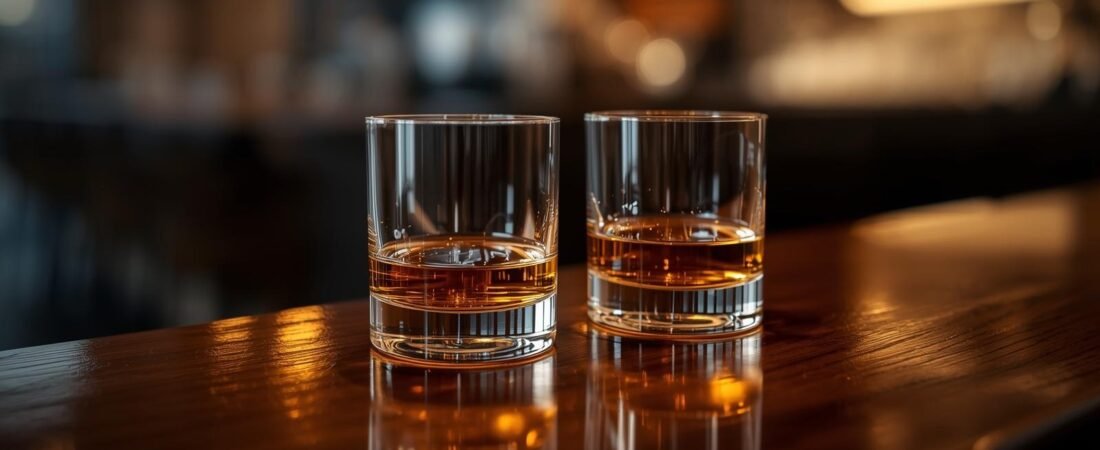
Business travel often comes with unspoken expectations. Client dinners. Networking receptions. A drink at the hotel bar to decompress after a long day of meetings. Alcohol becomes less about celebration and more about fitting into the rhythm of professional travel.
None of this is inherently problematic. But when performance matters, early mornings, long presentations, high stakes conversations, alcohol deserves a more intentional look.
The real question is not whether you can drink on a business trip. It’s whether that choice supports the stamina, focus, and recovery you need to show up at your best.
Why Alcohol Shows Up Differently on Work Trips
Business travel is deceptively demanding. Flights disrupt sleep. Time zones compress recovery. Days are mentally loaded, even if they don’t look physically intense on paper. Decision making, social engagement, and sustained attention all draw from the same limited energy pool.
Alcohol often enters the picture as a stress reliever or social lubricant. One drink to take the edge off. Another because it’s offered. Before long, what felt minor can quietly compound into poorer sleep, slower mornings, and reduced cognitive sharpness the next day.
For professionals who travel frequently, these small tradeoffs add up fast.
Old Guidance, New Realities
Historically, alcohol guidance centered on moderation. One drink per day. Two at most. In professional settings, that framing often translated to acceptable or low risk.
More recent research has shifted that perspective. Even modest alcohol intake has measurable effects on sleep architecture, reaction time, mood regulation, and next day cognitive performance. The updated conversation isn’t about absolutes, but about understanding cost versus benefit.
Alcohol is not neutral. Especially when layered on top of jet lag, short sleep windows, and high cognitive demand.
Alcohol and Sleep: The Performance Bottleneck
One of the biggest performance costs of alcohol on business trips is sleep disruption.
Alcohol can shorten sleep onset, which is why it often feels relaxing at night. But it interferes with REM sleep, the stage most closely tied to memory consolidation, emotional regulation, learning, and cognitive recovery.
REM sleep is particularly important when you’re absorbing new information, delivering presentations, or navigating complex social dynamics. When REM is disrupted, you may still get hours of sleep, but the quality is compromised.
The result is familiar to many travelers: waking up feeling foggy, less patient, and mentally slower, even after what looked like a full night in bed.
Cognitive Stamina Matters More Than We Realize
Business trips are often cognitively heavier than physically demanding. Back to back meetings. Strategic conversations. Networking that requires sustained social energy. These demands rely on executive function, attention control, and emotional regulation.
Alcohol affects all of these. It increases overnight dehydration, elevates resting heart rate, and can subtly increase stress reactivity the following day. None of this is dramatic in isolation. But combined, it can reduce your margin for error when focus and presence matter most.
If you’ve ever felt less sharp in a morning meeting after a nightcap, this is why.
Recovery Is Not Optional When You Travel for Work
Unlike vacation travel, business trips rarely allow for slow mornings or flexible schedules. Recovery has to happen efficiently and often invisibly.
Alcohol interferes with that process. It slows muscle recovery, worsens sleep fragmentation, and can increase perceived fatigue even when workload stays the same. Over time, frequent travel paired with frequent drinking can create a low grade fatigue that never fully resolves.
This doesn’t show up as burnout overnight. It shows up as reduced resilience, lower patience, and diminished cognitive bandwidth.
For Professionals Who Choose to Drink, Intention Matters
The goal is not abstinence. It’s alignment.
If alcohol is part of your professional travel environment, a few simple adjustments can dramatically reduce its impact on performance.
- Alternate alcohol with water. Hydration supports cognitive function, circulation, and recovery. Alternating drinks helps mitigate dehydration and naturally slows intake.
- Choose lower impact options. Wine, spritzers, or simple mixed drinks tend to be easier on sleep and digestion than sugary cocktails or high proof spirits.
- Be strategic, not automatic. Ask whether the drink is serving a purpose, social connection, enjoyment, or simply habit. Not every offer needs to be accepted to maintain rapport.
- Mind the timing. Alcohol closer to bedtime has a stronger effect on REM sleep suppression. Earlier, lighter intake is less disruptive than late night drinks.
What Balance Looks Like on a Business Trip
Balance is not about rigid rules. It’s about protecting the outcomes you care about.
Clear thinking. Steady energy. Emotional regulation. The ability to perform across multiple days, not just get through the evening.
For some trips, balance may mean skipping alcohol entirely. For others, it may mean choosing one intentional drink and stopping there. The right choice is the one that supports how you need to show up the next day.
Closing Thoughts
Alcohol doesn’t need to be framed as good or bad. It simply needs to be understood in context.
When travel is tied to performance, leadership, and decision making, even small habits matter. Awareness creates choice. And choice creates consistency.
💡 Takeaway: On business trips, alcohol choices influence sleep quality, cognitive stamina, and recovery more than most people realize. Approaching drinking with intention helps you sustain energy, sharpen focus, and show up at your best when it matters most.
Eat Smart. Travel Farther. Perform Better.