
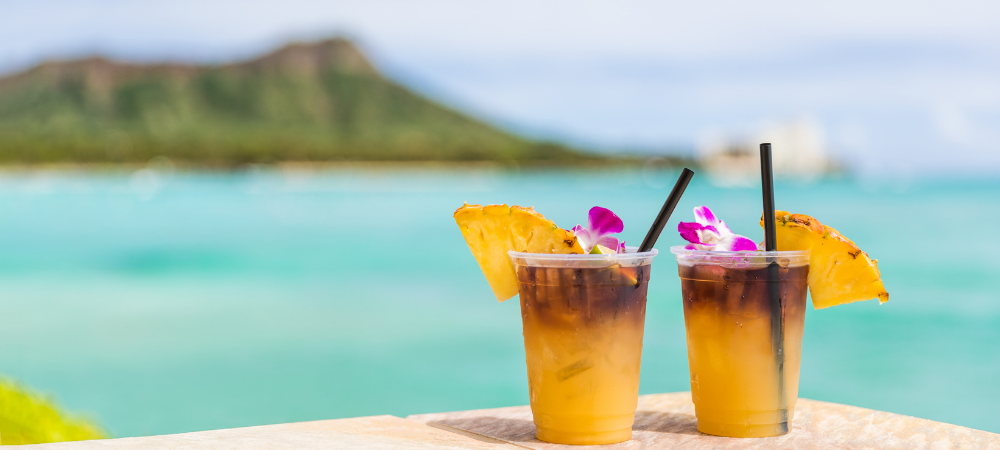
Vacation has a way of loosening the rules. The alarm clock stays off. Meals stretch longer. And for many people, alcohol quietly becomes part of the experience. A glass of wine with dinner in Italy. A cocktail by the pool. A local beer at a street festival.
None of that is inherently wrong. But the question worth asking is not should you drink on vacation, it’s how does it fit into how you want to feel while you’re there?
Because if travel is about presence, energy, and actually enjoying the place you worked so hard to get to, alcohol deserves a little more intention than it usually gets.
A Few Ways to Think About the Question
Some travelers never think twice about ordering a drink. Others find themselves waking up groggy, dehydrated, and wondering why yesterday felt so much better on paper than it did in their body.
And then there are those who have experimented with stepping back entirely. Initiatives like Dry January, which gained traction over the past decade, encouraged people to take a month long break from alcohol after the holidays. Originally framed as a reset after indulgence heavy months, it opened a broader conversation about how alcohol fits into health, sleep, mood, and recovery.
That conversation hasn’t gone away. In fact, it has only grown louder as more research continues to challenge long held assumptions about moderate drinking.
What the Guidance Used to Say, and What It’s Saying Now
For years, alcohol guidance focused on moderation. One drink per day for women, two for men. Red wine was even framed as potentially heart healthy in certain circles.
More recent research has complicated that narrative. Large scale studies suggest that even low levels of alcohol consumption come with tradeoffs, particularly when it comes to sleep quality, recovery, and long term health markers. The shift in messaging isn’t about fear or absolutes, but about transparency. Alcohol isn’t neutral, even in small amounts.
That doesn’t mean everyone needs to abstain. It does mean understanding the impact helps you make choices that align with your goals for the trip.
Alcohol doesn’t act alone.
It interacts with sleep, stress, and nutrition in ways that shape how you feel on the road. Learn more in How Sleep, Stress, and Nutrition Interact While Traveling.
Alcohol and Sleep: The Hidden Cost of Vacation Drinks
One of the most noticeable ways alcohol shows up on vacation is through sleep.
Alcohol can help you fall asleep faster. That part is true. But it comes at a cost. Alcohol interferes with REM sleep, the stage of sleep responsible for memory consolidation, emotional regulation, and mental recovery. REM sleep is where the brain does a lot of its overnight housekeeping.
When alcohol is in the system, REM sleep is often delayed and reduced. You might sleep longer but wake up feeling unrested, foggy, or irritable. On a trip, that can mean slower mornings, reduced motivation to explore, and less resilience when plans change.
Layer in jet lag, unfamiliar beds, and packed itineraries, and alcohol can quietly amplify fatigue without being obvious in the moment.
Traveling across time zones?
Alcohol can make jet lag harder to shake. Pair mindful drinking with strategies from Jet Lag Recovery: Nutrition Strategies That Work.
Recovery Matters More When You’re Traveling
Vacation days are often more physically demanding than we realize. Long walks, standing for hours, hiking, swimming, or just navigating unfamiliar cities all add up. Recovery becomes more important, not less.
Alcohol affects hydration, muscle recovery, and inflammation. Even a couple of drinks can increase overnight dehydration and make soreness linger longer the next day. That doesn’t mean you can’t enjoy a drink, but it does mean the timing, amount, and context matter.
If you’ve ever wondered why your legs felt heavier or your patience thinner after a night out while traveling, this is part of the reason.
For Those Who Choose to Drink, Intention Goes a Long Way
The goal here is not restriction. It’s awareness.
If alcohol is part of your vacation experience, a few simple strategies can help you enjoy it without letting it run the trip.
- Alternate drinks with water. This is one of the simplest habits with the biggest return. Having water between alcoholic drinks supports hydration, slows consumption, and often improves how you feel the next morning.
- Choose lighter options when possible. Wine, spritzers, or simple mixed drinks tend to be easier on sleep and digestion than sugary cocktails or high proof spirits. You still get the experience without stacking unnecessary extras.
- Be selective, not automatic. Instead of drinking out of habit, pause and ask yourself if this is adding to the experience. A glass of local wine with a meaningful meal might feel very different than a random airport cocktail.
- Mind the timing. Alcohol closer to bedtime has a stronger effect on sleep disruption. Enjoying a drink earlier in the evening and cutting it off a few hours before sleep can make a noticeable difference.
Enjoying food and drinks with intention?
Alcohol choices often go hand in hand with how we eat on vacation. Explore more in Mindful Eating on Vacation.
What Balance Actually Looks Like
Balance doesn’t mean perfection. It means you wake up able to enjoy the place you’re in. It means your energy matches your itinerary. It means your choices support the kind of memories you want to take home.
For some trips, that might mean drinking less than usual. For others, it might mean choosing not to drink at all. And for many, it simply means being more intentional with when and why alcohol shows up.
Closing Thoughts
Alcohol doesn’t need to be villainized or ignored. It just needs to be understood.
When you travel with awareness, even small choices add up. Better sleep. Steadier energy. More presence. And ultimately, a trip that feels as good in your body as it looks in your photos.
💡 Takeaway: Vacation is about enjoyment, not rules. Whether you choose to drink or not, being mindful of how alcohol affects your sleep, recovery, and energy helps you travel in a way that actually supports the experience you’re there for.
Eat Smart. Travel Farther.
Leave a Reply