
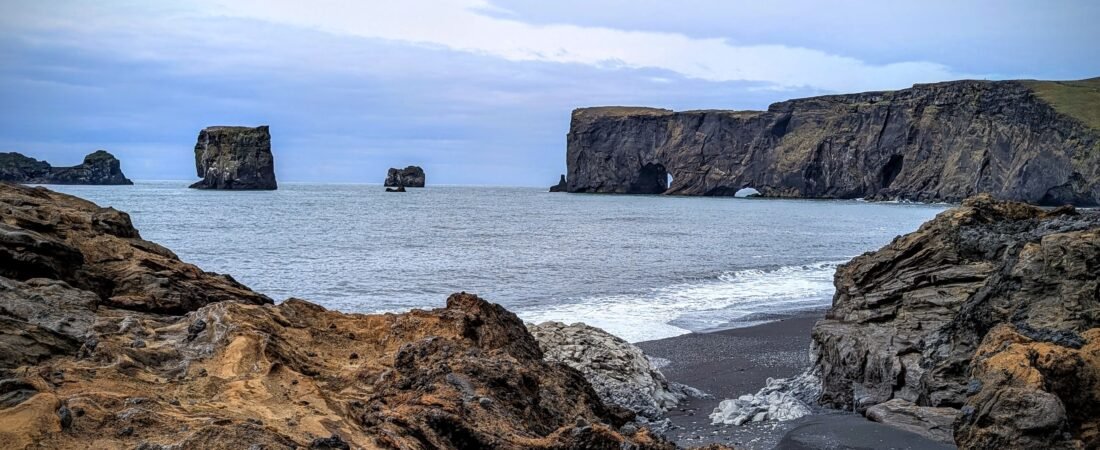
The road to Iceland’s Blue Lagoon cuts straight through a lava field. Black, jagged rock stretches in every direction, interrupted only by steam rising from the earth. It feels otherworldly, quiet in a way that makes you lower your voice without thinking. When you finally step into the milky-blue water, warmed by geothermal heat beneath your feet, something unexpected happens. Your shoulders drop. Your breathing slows. The tension you did not realize you were carrying begins to loosen.
The Blue Lagoon is not just a spa. It is a collision of culture, landscape, and recovery. Volcanic heat. Mineral-rich water. Silence broken only by conversation and the sound of water moving around bodies at rest. It feels adventurous and calming at the same time, a reminder that recovery does not have to be separate from exploration. In many parts of the world, it never was.
Travel exposes us to different ways of living, eating, moving, and resting. While much attention is paid to food and sightseeing, recovery practices are often quietly woven into daily life abroad. These practices are not framed as performance tools or optimization strategies. They are simply part of how people reset, reconnect, and care for themselves.
The science behind some of these practices is mixed or still evolving. That is worth acknowledging. But wellness often lives at the intersection of physiology, environment, culture, and perception. Sometimes how a practice makes you feel matters just as much as what the data can isolate. Travel gives us permission to explore that space.
Heat-Based Recovery Traditions
Saunas as a cultural ritual
In Nordic countries, the Baltic states, and parts of Eastern Europe, saunas are not a luxury or a special occasion. They are routine. Often social. Sometimes silent. Almost always unhurried.
Saunas are used to decompress, connect, and reset. People move slowly. Conversations are minimal or deeply present. There is no sense of squeezing in recovery between obligations. It is the obligation.
From a wellness lens, heat exposure is commonly associated with relaxation and a sense of physical release. Circulation is often discussed, but the deeper impact may come from the enforced pause. The stillness. The warmth. The absence of stimulation. These elements together signal the nervous system to downshift.
For travelers, saunas offer a powerful counterbalance to long days of walking, meetings, or transit. They work best when treated as an end-of-day ritual, not another item to check off.
Hot springs and thermal baths
Hot springs and thermal baths appear across cultures, from Japan’s onsen to Iceland’s geothermal pools to historic bathhouses in Hungary and Italy. These spaces are often set in nature or steeped in history, adding a sense of place to the experience.
Warm water encourages relaxation and mental quiet. Being immersed, rather than simply showering, creates a boundary between the day and the evening. It is not about doing anything. It is about being held by the environment.
For many travelers, this is where recovery becomes memorable. The setting matters. The water matters. But so does the permission to stop.
Stillness, Silence, and Mental Recovery
Meditation and breathwork across cultures
Meditation and breath-focused practices appear in many traditions, from Buddhist meditation to yogic breathing to martial arts disciplines. While the forms vary, the intention is similar. Awareness. Calm. Presence.
Travel can make stillness feel unfamiliar, especially when itineraries are packed. But unfamiliar settings can also deepen these practices. Sitting quietly in a new environment heightens sensory awareness. Sounds are different. Light behaves differently. Time feels slower.
Even a few minutes of intentional breathing or quiet reflection can help regulate stress and restore focus during travel days.
Set an intention before you reset.
Want a simple way to anchor your mindset on the road? Start with Setting Travel Intention.
Built-in pauses as cultural norms
Some cultures normalize pauses in ways that feel radical to many travelers. Afternoon closures. Extended meals. Tea rituals. Unstructured evenings.
These pauses are not framed as productivity hacks. They are simply part of life. They remind us that rest does not need to be earned and that constant stimulation is not the default state of being.
For travelers, honoring these pauses, rather than pushing through them, can transform how a destination feels. Recovery sometimes comes from aligning with local rhythms instead of resisting them.
Movement as Recovery, Not Exercise
Walking as a way of life
In many places, walking is not exercise. It is transportation. Errands. Social time. Exploration.
Travel naturally increases low-intensity movement, which supports circulation, mental clarity, and stress reduction without the strain of structured workouts. Walking through neighborhoods, markets, and promenades blends movement with discovery.
This kind of movement often feels restorative rather than depleting. It adds energy instead of draining it.
Gentle, intentional movement
Yoga, tai chi, stretching, and mobility practices are often integrated into daily routines abroad. These movements prioritize range of motion, breath, and awareness rather than intensity.
For travelers, this reframes recovery. You do not need a gym. You do not need to sweat. Gentle movement in a hotel room, park, or beach can support recovery just as effectively.
The goal is not to maintain training volume. It is to maintain how you feel.
The Evidence Gap and Why Experience Still Matters
It is important to be honest. The research behind many recovery practices is complex and often confounded by environment, expectation, and cultural context. Is it the sauna itself, or the fact that people slow down while using it? Is it the hot spring, or the combination of warmth, nature, and social connection?
Wellness does not exist in isolation. It exists in systems. When multiple factors align to help people feel calmer, more grounded, and more restored, that experience has value, even if the mechanism is not fully isolated.
Travel invites us to experiment with curiosity rather than optimization.
Wellness habits that travel well.
If you want a practical, non-medical approach to feeling well on the move, explore Immune Support While Traveling.
How to experiment while traveling
Approach recovery practices abroad the same way you approach food or culture. With openness and respect.
Start slow. Observe local norms. Avoid stacking recovery activities onto already overloaded days. Ask yourself how you feel afterward, not how it looks on paper.
Recovery should create space, not pressure.
Make room for the moment.
Even small digital boundaries can protect presence and reduce stress on the road. See Limit Screen Time While Traveling.
Bringing global recovery home
Not every recovery practice travels home easily. Most of us do not have access to geothermal pools or historic bathhouses.
What does translate is the mindset. Slower evenings. Intentional heat or water exposure when available. Gentle movement. Built-in pauses without guilt.
Travel shows us what is possible. Recovery does not have to be clinical, optimized, or earned. Sometimes it is cultural wisdom hiding in plain sight.
💡 Takeaway
Recovery looks different around the world, but the intention is universal. To restore energy. To calm the mind. To reconnect with the body.
By exploring global recovery practices while traveling, you expand your definition of rest. You learn that recovery can be communal, experiential, and deeply tied to place. And sometimes, the most powerful reset comes not from doing more, but from finally allowing yourself to stop.
Eat smart. Travel farther. Recover differently.
Leave a Reply