
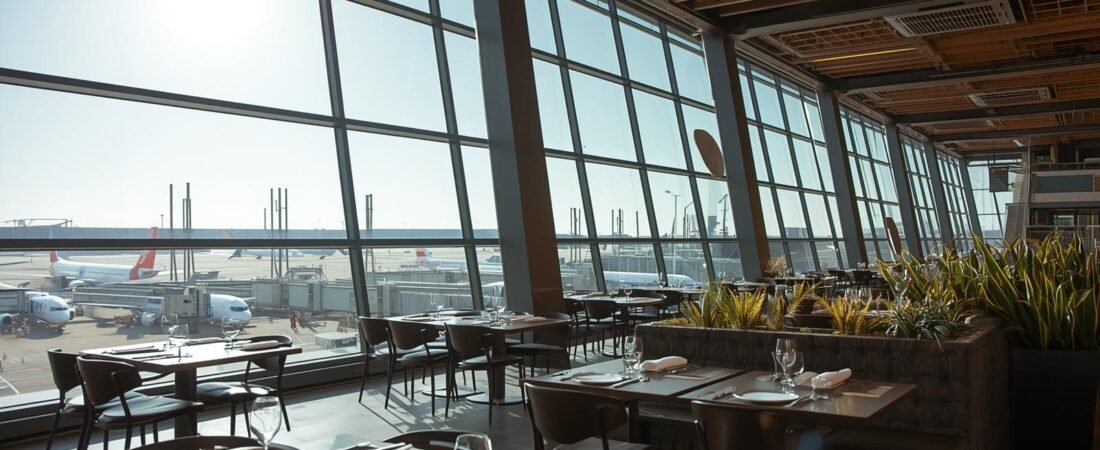
Just because you’re about to take off doesn’t mean your eating habits have to. Between early flights, tight layovers, and that irresistible airport aroma of coffee and fried everything, a good choice can feel hard to find. The good news is that many U.S. airports have gotten much better at offering healthy airport food, with balanced options for travelers who want to feel good when they land.
Gone are the days when your only choices were fast food or a vending-machine sandwich. Many major airports now feature chains and local spots with customizable salads, grain bowls, and lean-protein sandwiches, so you can eat well without sacrificing flavor.
Match Your Meal to Your Time
The right airport meal depends mostly on how much time you have. When you have 30 minutes or more and a decent concourse, a sit-down or build-your-own meal is worth it, and that’s what this guide covers. When a connection is tight, grab-and-go snacks are the smarter move. When a delay stretches into the evening or half the terminal has closed, a different set of strategies applies.
Short on time, or stuck with few choices?
Smart Snacking at the Airport covers quick fuel for tight connections, and What to Do When Airport Food Options Are Limited helps when delays and closed kiosks leave you with slim pickings.
Build a Balanced Preflight Meal
Seek out restaurants that let you have it your way (no, not Burger King). Think CAVA, Chipotle, Sweetgreen, or local Mediterranean and grain-bowl concepts. Customization lets you build something balanced, energizing, and satisfying before takeoff, and it helps to think function first.
Your Preflight Meal Builder
Build from the ground up, then adjust for your day.
Anchor Your Meal With Fiber-Rich Carbs
Start with slower-digesting carbohydrates for lasting energy. Whole grains like quinoa or brown rice work well, as do beans and lentils, which add both fiber and protein. These bases help keep energy steady and keep you satisfied long after boarding.
Add Protein
Protein is what makes a meal last. Grilled chicken, turkey, fish, tofu, or beans all sit comfortably and help keep hunger at bay through a long flight, especially when the next real meal is hours away.
Pile On the Vegetables
The more color, the better. Vegetables add volume, nutrients, fiber, and a bit of hydration. Mixed greens, roasted peppers, cherry tomatoes, cucumbers, and shredded carrots all help digestion stay on track on a travel day.
Choose Sauces for Flavor
Sauces and dressings are where a bowl gets its personality, and they’re worth enjoying. Very rich, creamy, or heavily sweetened versions can make a meal sit heavier than you’d like before a flight, so asking for sauce on the side lets you add exactly as much as you want.
A simple rule of thumb: aim for roughly half vegetables, a quarter protein, and a quarter carbs. It works for bowls, salads, and sandwiches alike, and on an active travel day, it’s fine to lean a little heavier on the carbs.
Where to Find Healthy Airport Food
Even with short layovers, some airports make it surprisingly easy to eat well if you know where to look. These have been standouts.
Airport Standouts
Concessions change often, so check your airport’s dining directory before you fly.
Denver International (DEN)
Root Down is a local favorite with globally inspired, fresh menus, and it’s worth the stop if you have time to sit down. Short on time? DEN’s grab-and-go kiosks often stock fruit cups, yogurt, and hummus snack packs for a quick, balanced bite.
Seattle-Tacoma (SEA)
Seattle’s food reputation extends to its terminals. Evergreens Salad is proof that fast food doesn’t have to be fried. Start with a hearty base, add protein, pile on vegetables, and finish with a bold dressing on the side; they’ll chop and toss it for easy eating on the go.
LaGuardia (LGA)
LGA’s overhaul brought real upgrades for health-minded travelers. Green Leaf’s Beyond Great Salads offers build-your-own bowls with greens, grains, and protein. In a rush? The newer terminal markets stock protein boxes, Greek yogurt, and fresh fruit cups, which work well for quick connections.
When the Options Are Thin
Some terminals still lean heavily on burgers, loaded fries, and cheese-heavy quesadillas. Those meals aren’t off-limits, though a big, rich meal right before boarding may leave you feeling bloated and sluggish when you land, and the goal is to arrive ready for whatever is on your agenda. When the choices are slim, a few adjustments help:
- Hydrate first. Cabin air and early starts make it easy to under-drink, so water comes before the order.
- Scan the shops for add-ons. Nuts, jerky, string cheese, fruit cups, and veggie packs round out almost any meal.
- Pack a backup. Protein bars, oatmeal cups, or nut butter packets turn a limited food court into a workable one.
Pack your backup plan.
Building Your Travel Pantry covers the snacks worth carrying, and Macros Made Simple explains how protein, carbs, and fat work together.
Timing Your Preflight Meal
- Eat a meal with protein and fiber-rich carbs about 60 to 90 minutes before boarding for steady energy.
- Go easy on alcohol and fizzy drinks right before the flight, since both can add to bloating and alcohol can disrupt sleep on board.
- Carry an empty water bottle, fill it after security, and sip steadily through the day.
- Aim for light and lasting: you want to feel fueled rather than overly full when the seatbelt sign comes on.
Flying early?
What to Eat Before an Early Morning Flight covers the pre-dawn version, and How to Stay Hydrated on Long Flights picks up once you board.
Takeaway: With a little planning and knowing where to look, healthy airport food doesn’t have to be an oxymoron. Match your meal to your time, build it around fiber-rich carbs, protein, and vegetables, enjoy the sauce on your terms, and keep a backup in your bag for the terminals still catching up. Eating well between gates helps you arrive feeling your best.
Eat Smarter. Travel Farther.
Leave a Reply